
Veterinary Dentistry in Coshocton, OH
At the Animal Medical & Surgical Center of Coshocton, we take oral health seriously: with a focus on preventative care, comprehensive full-mouth radiographs, and careful, targeted extractions when necessary.
Dental Care That Goes Below the Surface
Veterinary Dentistry FAQs
Here are answers to the questions we hear most often from dog and cat owners about veterinary dental care.
Why does my pet need dental radiographs at every cleaning?
Dental radiographs allow our veterinary team to see what's happening beneath the gum line—where the majority of a tooth's structure actually lives. Problems like tooth root abscesses, bone loss, resorptive lesions, and impacted teeth often show no visible signs above the gum line but can cause significant pain and long-term health complications if left untreated.
How do I know if my dog or cat needs a dental exam?
Some signs are obvious—bad breath, visible tartar buildup, drooling, difficulty chewing, or pawing at the mouth. Others are subtler, like changes in appetite, dropping food, or reluctance to chew toys your pet used to enjoy. Many pets with significant dental disease show few outward signs at all, which is why we recommend regular oral exams as part of annual wellness visits. If it's been more than a year since your pet's teeth were evaluated, it's worth scheduling a checkup.
Is my pet put under anesthesia for a dental cleaning?
Yes. Veterinary dental cleanings require general anesthesia to be performed safely and thoroughly. Anesthesia allows us to take full-mouth radiographs, clean below the gum line, probe each tooth individually, and perform any necessary extractions—none of which can be done safely or accurately in a conscious patient. We take anesthesia safety seriously and use pre-anesthetic bloodwork to evaluate your pet's health before any procedure.
How often should my pet have a dental cleaning?
The right frequency depends on your individual pet. Breed, age, diet, home dental care habits, and genetics all play a role in how quickly tartar and periodontal disease develop. Some pets need professional cleanings annually; others may go longer. Our team will make a recommendation based on your pet's specific oral health during their wellness or dental exam. We also offer dental care designed especially for large animals through our Large Animal Care.
Does dental disease affect more than just my pet's mouth?
Yes—significantly. Periodontal disease allows bacteria from the mouth to enter the bloodstream, where they can affect the heart, kidneys, and liver over time. Chronic oral pain also affects quality of life in ways that are easy to miss, since pets instinctively hide discomfort. Addressing dental disease isn't just about clean teeth—it's a meaningful contribution to your pet's long-term health and comfort.
What services does your veterinary dental clinic offer?
At the Animal Medical & Surgical Center of Coshocton, our veterinary dentistry services include professional dental cleanings, full-mouth dental radiographs, tooth extractions, and oral health evaluations for dogs and cats. If additional treatment is identified during a procedure, we'll communicate with you before proceeding so you can make informed decisions about your pet's care.
Why Dental Health Is a Whole-Body Issue
Dental disease doesn’t stay in the mouth. Left untreated, periodontal infection can spread bacteria through the bloodstream to the heart, kidneys, and liver, compounding health problems that are far more difficult and costly to manage once they develop. Early intervention—specifically, through regular cleanings, thorough radiographs, and attentive monitoring—is how we help dogs and cats stay comfortable and healthy for as long as possible.
Signs Your Pet May Need Dental Care
By the time most pet owners notice a dental problem, it has usually been developing for months or longer. Knowing what to watch for—and acting early—can make a meaningful difference in your pet’s comfort and long-term health.

Visible Warning Signs
Bad breath, yellow or brown tartar buildup, red or swollen gums, drooling, difficulty chewing, and loose teeth are all symptoms that it’s time for dental care.
Subtle Behavioral Changes
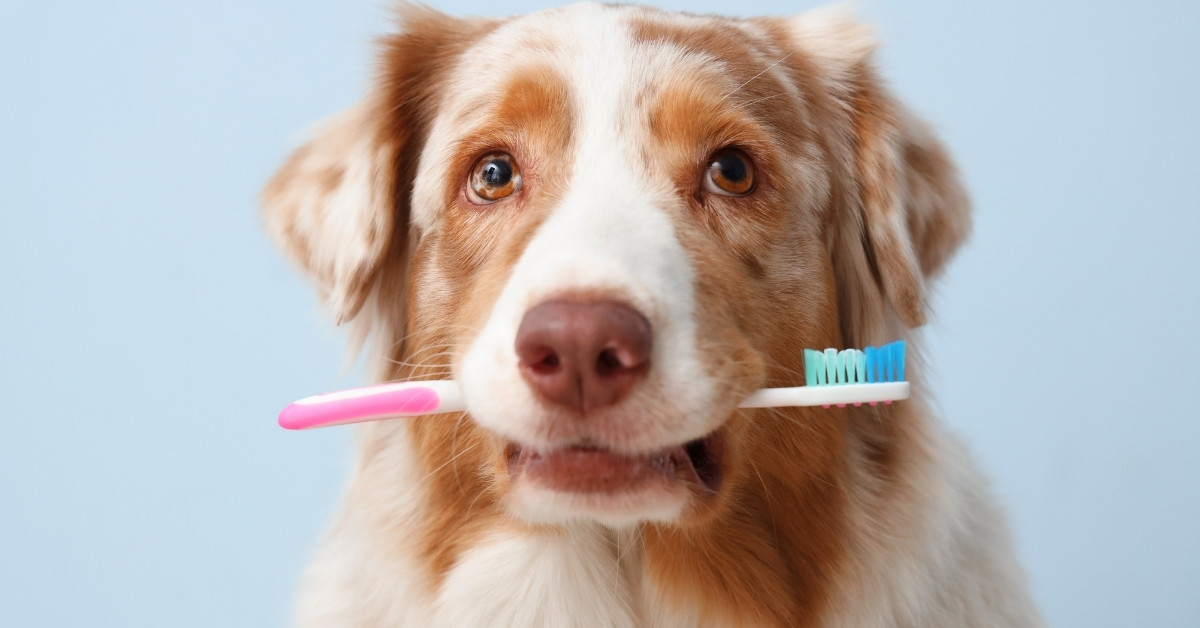
Dropping food while eating, favoring one side of the mouth, decreased interest in chew toys, or changes in appetite can all signal oral discomfort.
Our Veterinary Services
Pet Wellness & Preventative Care
Veterinary Dentistry
Veterinary Diagnostics & Imaging
Veterinary Internal Medicine
Veterinary Surgery
Urgent & Emergency Veterinary Care
Veterinary Pain Management
Large Animal & Equine Care
Large Animal & Equine Reproductive Care
Farm Calls & Haul-In Services
At-Home Euthanasia