Veterinary Surgery in Coshocton, OH
From routine spays and neuters to complex emergency procedures, the Animal Medical & Surgical Center of Coshocton provides a broad range of surgical services for dogs and cats supported by thorough pre-operative evaluation, clear client communication, and careful post-operative monitoring.
Surgical Care Built on Preparation and Precision
Veterinary Surgery FAQs
Here are answers to the questions our clients ask most often about surgical care for dogs and cats.
What surgical procedures does the Animal Medical & Surgical Center of Coshocton perform?
We perform a wide variety of soft tissue surgeries for dogs and cats, including spays, neuters, mass removals, hernia repairs, foreign body removal, C-sections (including brachycephalic breeds), surgical artificial insemination, and a range of emergency surgeries. Many routine procedures are available for horses and other large animals. We use a surgical laser on select small animal procedures to support precision and reduce patient discomfort.
If you have questions about whether we perform a specific procedure, call our Coshocton clinic, and we'll be happy to discuss your options.
Does my pet need bloodwork before surgery?
Pre-anesthetic bloodwork is strongly recommended before surgery because it helps identify underlying health concerns that may affect anesthesia or recovery. Even young, seemingly healthy animals can have abnormalities that are not apparent during a physical exam. Bloodwork allows us to make the safest recommendations for your pet's care.
What is a surgical laser, and how does it benefit my pet?
A surgical laser uses a focused beam of light energy to cut tissue and seal blood vessels simultaneously. Compared to traditional surgical instruments, laser surgery can result in less bleeding during the procedure, reduced post-operative swelling, decreased pain, and a lower risk of infection in appropriate cases.
When is surgery considered urgent or an emergency?
Certain conditions require emergency intervention as quickly as possible. These include intestinal foreign body obstruction, gastric dilatation-volvulus (GDV or bloat), difficult or stalled labor, traumatic injuries, internal bleeding, urinary obstruction in some cases, and other life-threatening conditions.
If you believe your pet may be experiencing a surgical emergency, call our clinic immediately at (740) 622-0013. After-hours calls transfer to our on-call veterinarian.
How should I prepare my pet for surgery?
In most cases, we ask that dogs and cats be fasted—no food—for a set period before their scheduled procedure, typically starting the night before. Water is usually allowed until the morning of surgery. We'll provide specific pre-surgical instructions when you schedule your appointment. It's also helpful to bring a list of any current medications your pet is taking and to complete your Pre-Anesthetic Form in advance through our online forms page.
What should I expect during my pet's recovery from surgery?
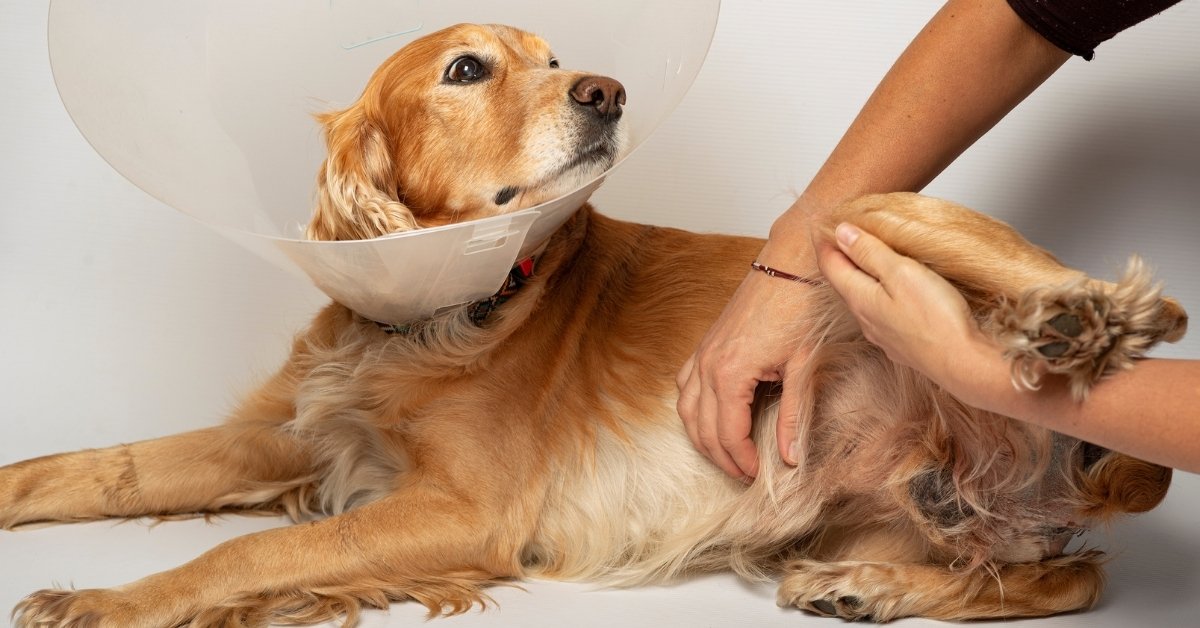
Recovery varies depending on the procedure. Most pets go home the same day after routine soft tissue surgeries and will need a quiet, comfortable space to rest. We'll provide detailed discharge instructions covering activity restrictions, incision care, signs of complications to watch for, and any medications your pet needs at home.
Follow-up appointments may be recommended to evaluate healing. We encourage you to call us with any concerns during your pet's recovery—we'd rather hear from you than have you worry alone.
Do you perform C-sections for dogs, including brachycephalic breeds?
Yes. We perform emergency and planned C-sections for dogs, including brachycephalic breeds such as Bulldogs, French Bulldogs, and Boston Terriers. Brachycephalic breeds carry additional anesthetic considerations due to their airway anatomy, and our team is experienced in managing those risks with appropriate precautions.
If your dog is pregnant and you have concerns about delivery, we encourage you to call us early so we can discuss a plan before an emergency arises.
Our Approach to Every Surgical Case
Surgery is one of the most significant things we can do for an animal—and we treat it that way. At the Animal Medical & Surgical Center of Coshocton, every surgical case begins with a thorough pre-operative evaluation and an honest conversation about what to expect. Dr. Amity Wise brings more than 20 years of mixed animal surgical experience to each procedure, and our team maintains consistent attention to patient monitoring, pain management, and recovery throughout the entire process.
When Your Pet May Need Surgical Care
Whether your pet is scheduled for a routine procedure or needs urgent surgical intervention, the Animal Medical & Surgical Center of Coshocton has the capability and experience to provide the care they need. Knowing when to seek surgical evaluation can make a meaningful difference in your pet’s outcome.
Planned Procedures
Spays, neuters, mass removals, hernia repairs, and surgical artificial insemination are available for advance scheduling.
Urgent Surgical Needs
If you suspect your pet needs emergency surgical care, call us immediately at (740) 622-0013.
Our Veterinary Services
Pet Wellness & Preventative Care
Veterinary Dentistry
Veterinary Diagnostics & Imaging
Veterinary Internal Medicine
Veterinary Surgery
Urgent & Emergency Veterinary Care
Veterinary Pain Management
Large Animal & Equine Care
Large Animal & Equine Reproductive Care
Farm Calls & Haul-In Services
At-Home Euthanasia